A Quick Guide to Selecting the Right Shackle
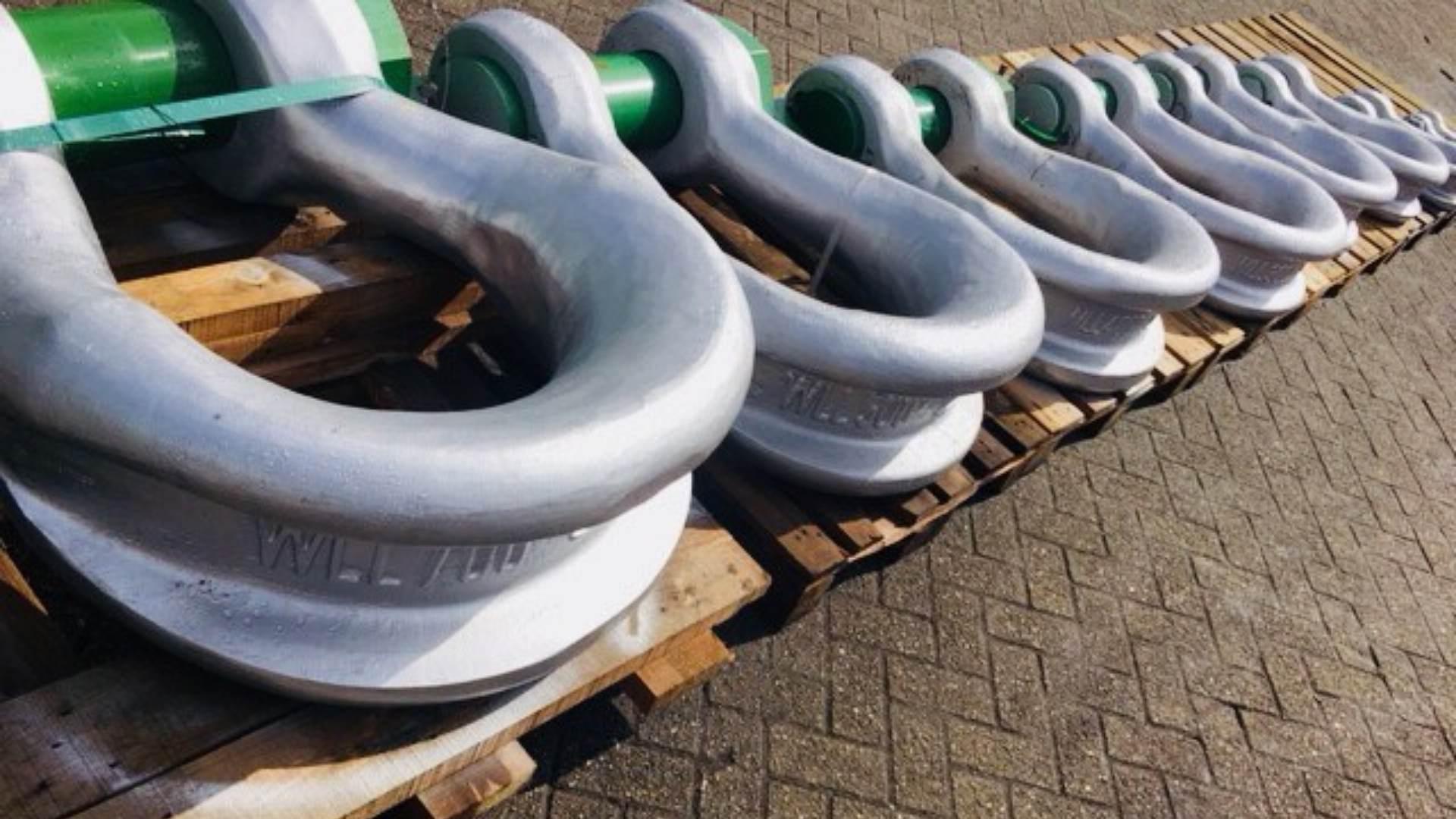
Shackles are one of the most widely used components in lifting and rigging operations. Despite their simple design, they play a critical role in connecting lifting equipment and transferring loads safely throughout a lifting system.
From construction and infrastructure projects to manufacturing, mining and marine applications, shackles are used every day to connect slings, chains, wire ropes and lifting beams. Selecting the wrong shackle, using an incorrect configuration, or exceeding its rated capacity can compromise the integrity of the entire lift.
Understanding the different types of shackles, their intended applications and key selection considerations can help improve safety, efficiency and compliance on site.
In this guide, we’ll break down the different shackle types, explain their common uses and provide practical advice to help you choose the right shackle for your next lift.
What Is a Shackle?
A shackle is a U-shaped load-bearing device fitted with a removable pin. Commonly used in lifting and rigging assemblies, shackles provide a secure connection between loads and lifting equipment such as chains, slings and wire ropes.
Shackles are commonly used in:
- Lifting
- Hoisting
- Rigging
- Winching
- Pulling
As with all lifting equipment, it’s important to ensure the shackle’s Safe Working Load (SWL) meets or exceeds the weight of the load being lifted, as well as any associated lifting equipment.
With a wide range of shackle styles and pin configurations available, understanding the differences can help ensure the right equipment is selected for the task.
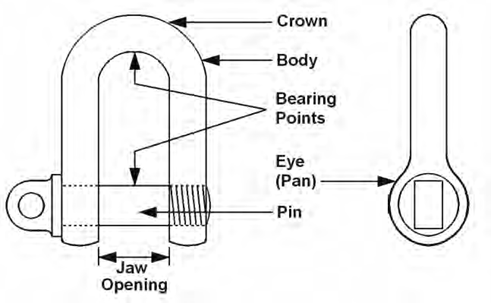
Understanding the Parts of a Shackle
Before selecting a shackle, it’s useful to understand the key components:
- Pin – Connects the ears and secures the shackle.
- Eye (Pan) – Supports and retains the pin.
- Bow (Body) – The main load-bearing section of the shackle.
- Pin Head / Shoulder – The section of the pin that sits against the ear when engaged.
Bow Shackles vs D Shackles
Choosing the correct shackle body style is one of the most important considerations.
Bow Shackles
Also known as anchor shackles, bow shackles feature a larger rounded body that provides greater internal space.
This design allows them to accommodate multiple sling connections and provides additional flexibility where loads may not be perfectly aligned. Bow shackles are commonly used in general lifting and rigging applications where greater freedom of movement is required.
D Shackles
Also known as chain shackles, D shackles feature a narrower body designed primarily for straight-line loading.
Unlike bow shackles, D shackles should not be side loaded, as their shape makes them more susceptible to twisting under load. They are best suited to applications where the load is applied directly in line with the centre of the shackle.
Types of Shackle Pin
The pin configuration can be just as important as the body style when selecting a shackle.
Screw Pin Shackles
Screw pin shackles are ideal for temporary lifting applications where equipment needs to be connected and disconnected regularly.
The threaded pin allows for quick installation and removal, however vibration and movement can cause the pin to loosen over time, making routine inspection essential.
Bolt Type Shackles
Bolt type shackles use a bolt, nut and cotter pin arrangement to provide a more secure connection.
Because they are less likely to loosen during service, they are commonly used for long-term or semi-permanent installations.
Round Pin Shackles
Round pin shackles use an unthreaded pin secured by a cotter pin.
They are commonly used in towing, pulling and tie-down applications but are generally not intended for overhead lifting operations.
Inspection & Maintenance
Like all lifting equipment, shackles should be inspected before and after use for signs of wear, deformation, cracking, corrosion or other damage.
Proper storage, maintenance and routine inspection help ensure shackles continue to perform safely throughout their service life. Any damaged or excessively worn shackles should be removed from service immediately.
Need Help Selecting the Right Shackle?
While shackles are one of the simplest components in a lifting system, selecting the correct type, pin configuration and capacity is critical to lifting safety.
At LGH Australia, we supply a wide range of high-quality shackles and lifting equipment to support projects across construction, infrastructure, mining, marine, manufacturing and energy sectors. If you’re unsure which shackle is best suited to your application, our team can help identify the right solution for your next lift.


