Behind the Scenes: Hiring Rigging Equipment From LGH
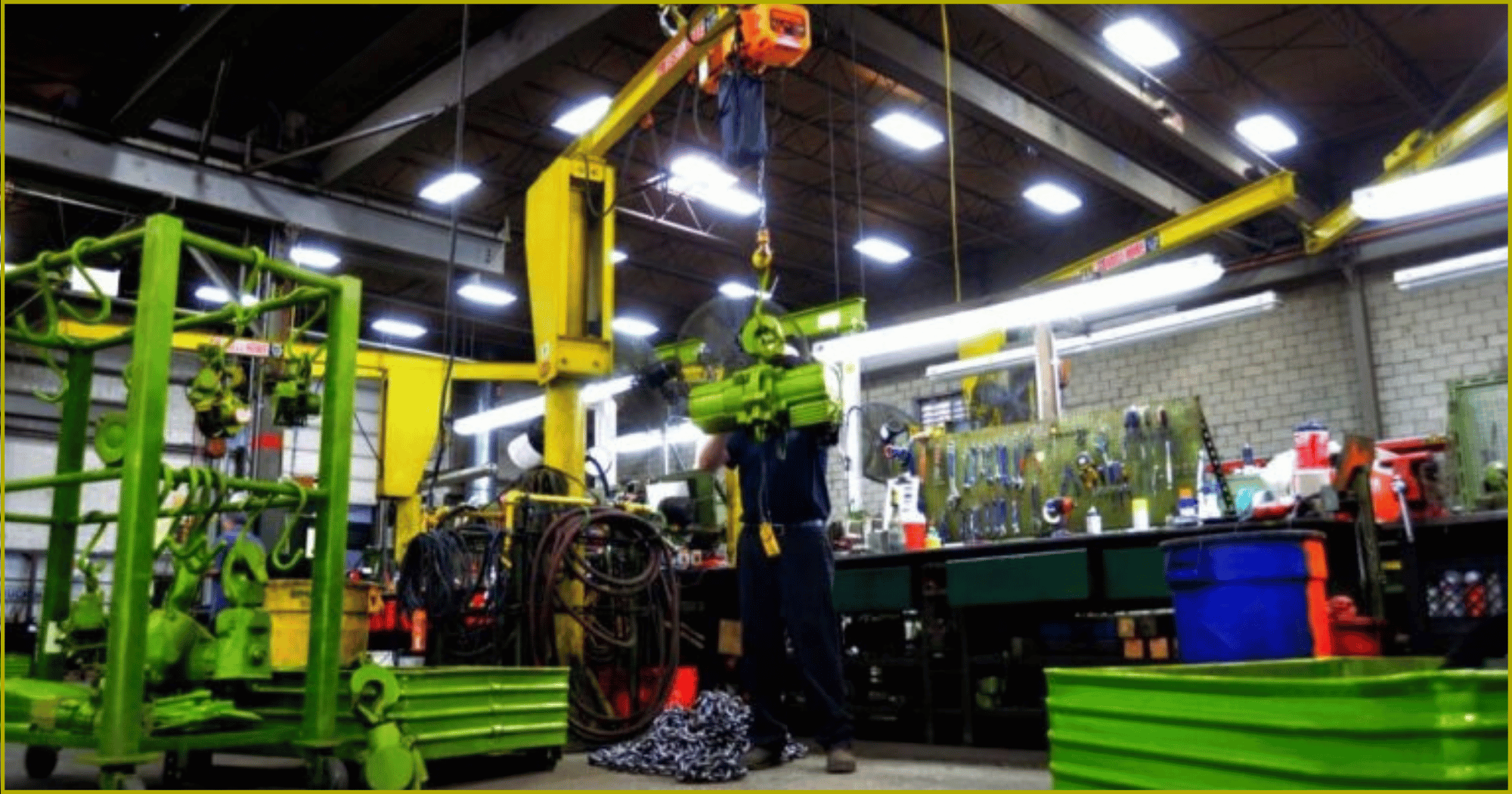
Hiring lifting and rigging equipment may seem straightforward, but behind every LGH hire is a coordinated effort to make sure the right equipment gets to the right place, at the right time.
From our team in Somersby to our global LGH network, every hire involves careful planning, equipment preparation and coordination. For larger or more specialised requirements, that process can extend beyond Australia, with our team drawing on LGH’s global fleet to source high-capacity and specialist equipment for complex projects.
So, what actually happens behind the scenes of an LGH hire? We’re taking a closer look at the journey from the initial request through to equipment preparation, delivery, support, return and readiness for its next hire.
Let’s start at the beginning of the hire cycle.
Stage 1: Understanding the Project’s Needs
What Customers See
A phone call, email or online enquiry with the LGH Australia team about their equipment requirements.
Behind the Scenes
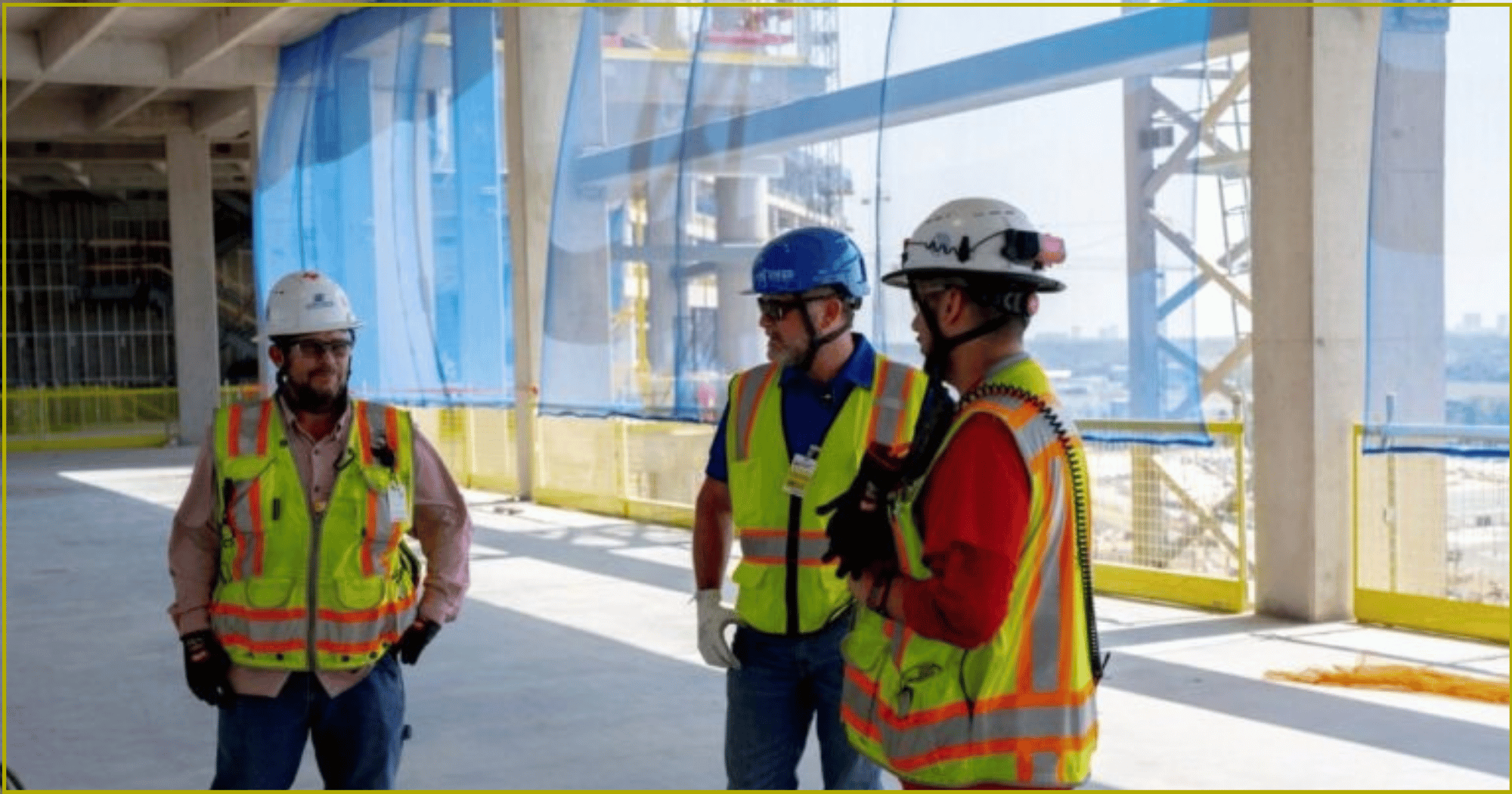
The hire process can begin in several ways. A customer may contact our Hire Desk directly, submit a quote request through the LGH Australia website, email our team, or speak with one of our Business Development Managers about an upcoming lifting or rigging requirement.
From the first conversation, our priority is to understand the scope of work before recommending equipment. Once the project requirements are clear, our team can identify a suitable solution, confirm equipment availability, discuss the expected hire period and coordinate freight or collection requirements.
Depending on the lift, there can be a lot more behind that initial conversation than customers might realise.
Questions We May Ask
1. Project Information
- What are you moving?
- How are you moving it – lifting, jacking, pushing or pulling?
- What does it weigh?
- What are the dimensions?
- Where is the project located?
- What are the project dates?
2. Lift Details
- How many lifts or picks will be made?
- What type of equipment is being used for the lift – mobile crane, gantry, forklift or another method?
- Are there any headroom or access restrictions?
- Is the load’s centre of gravity balanced or offset?
3. Equipment Requirements
- What equipment have you used previously for similar lifts?
- Is there an engineered lift plan?
- What lifting and rigging equipment is required – such as spreader beams, lifting beams, shackles, slings, hoists or other equipment?
- Will any customer-owned equipment be used alongside LGH equipment?
- Are there environmental or site-specific considerations, such as marine, offshore or other demanding conditions?
4. Logistics
- Required delivery date
- Expected hire period
- Delivery location
- On-site contact
- Purchase order requirements
- Billing information
Asking the right questions upfront helps us identify the most suitable equipment, minimise delays and make sure the equipment arrives where it needs to be, when it needs to be there.
Before Requesting a Quote, Have These Details Ready
Providing as much information as possible from the outset helps our team respond quickly and accurately. Where possible, have the following details ready:
- Equipment required
- Load weight, dimensions and/or height of lift
- Project location
- Expected hire period
- Delivery or collection requirements
- Purchase order information, if required
- Billing information
First-time customers will also need to provide the relevant information to complete their account setup.
Why Early Planning Matters
The more information we have upfront, the better we can support your project. Engaging LGH early gives our team more time to assess the requirements, identify suitable equipment, confirm availability and coordinate transport to site.
For larger, high-capacity or more specialised requirements, early planning also gives us more time to coordinate specialist equipment through our suppliers or wider LGH network where required.
In addition, early involvement can help identify potential challenges before they affect the project schedule.
Stage 2: Building the Hire Quote
What Customers See
A quote arrives outlining the equipment, hire pricing and any applicable freight requirements.
Behind the Scenes
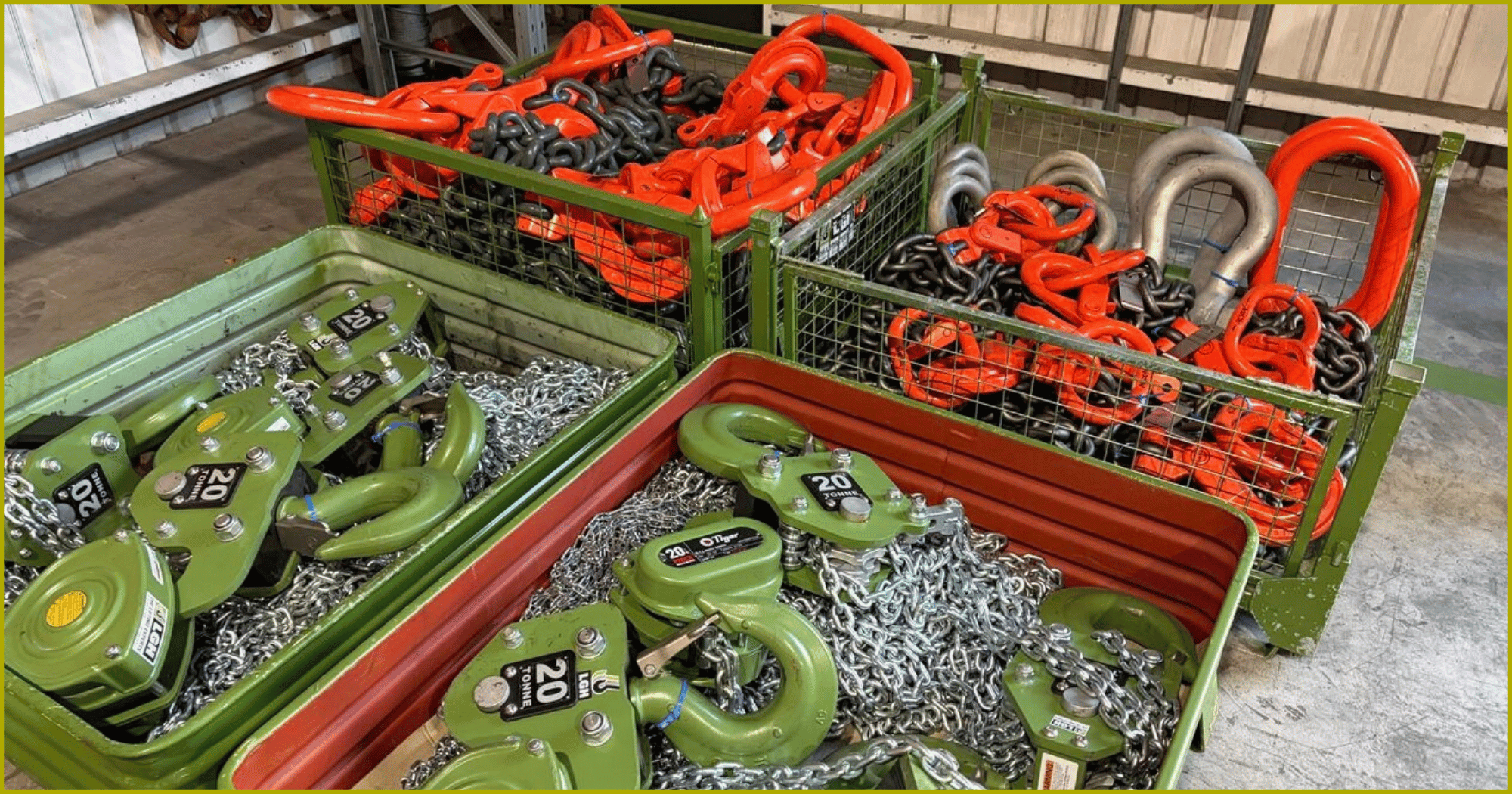
Once we understand the project requirements, our team gets to work identifying the appropriate equipment and preparing the hire quote.
This involves more than simply adding equipment and pricing. We review the requested specifications, check equipment availability and consider any freight or logistical requirements associated with getting the equipment to site.
The Quote Process
Our team:
- Reviews the project and equipment requirements
- Identifies suitable equipment based on the application
- Checks equipment availability
- Liaises with our suppliers where required to confirm equipment options, availability and pricing
- Prepares the hire quote
- Assesses freight and logistics requirements and includes them where required
- Reviews the quote before sending it to the customer
Equipment availability can change quickly, particularly for specialist and high-capacity gear. Equipment may already be on hire, allocated to an upcoming project, in transit or undergoing inspection and testing between hires.
For this reason, our team checks availability during the quoting process and confirms it again when the customer is ready to proceed. These additional checks help ensure the equipment required is available for the project dates.
Stage 3: Ensuring the Right Equipment is Available
What Customers See
The equipment they need is ready when the project starts.
Behind the Scenes
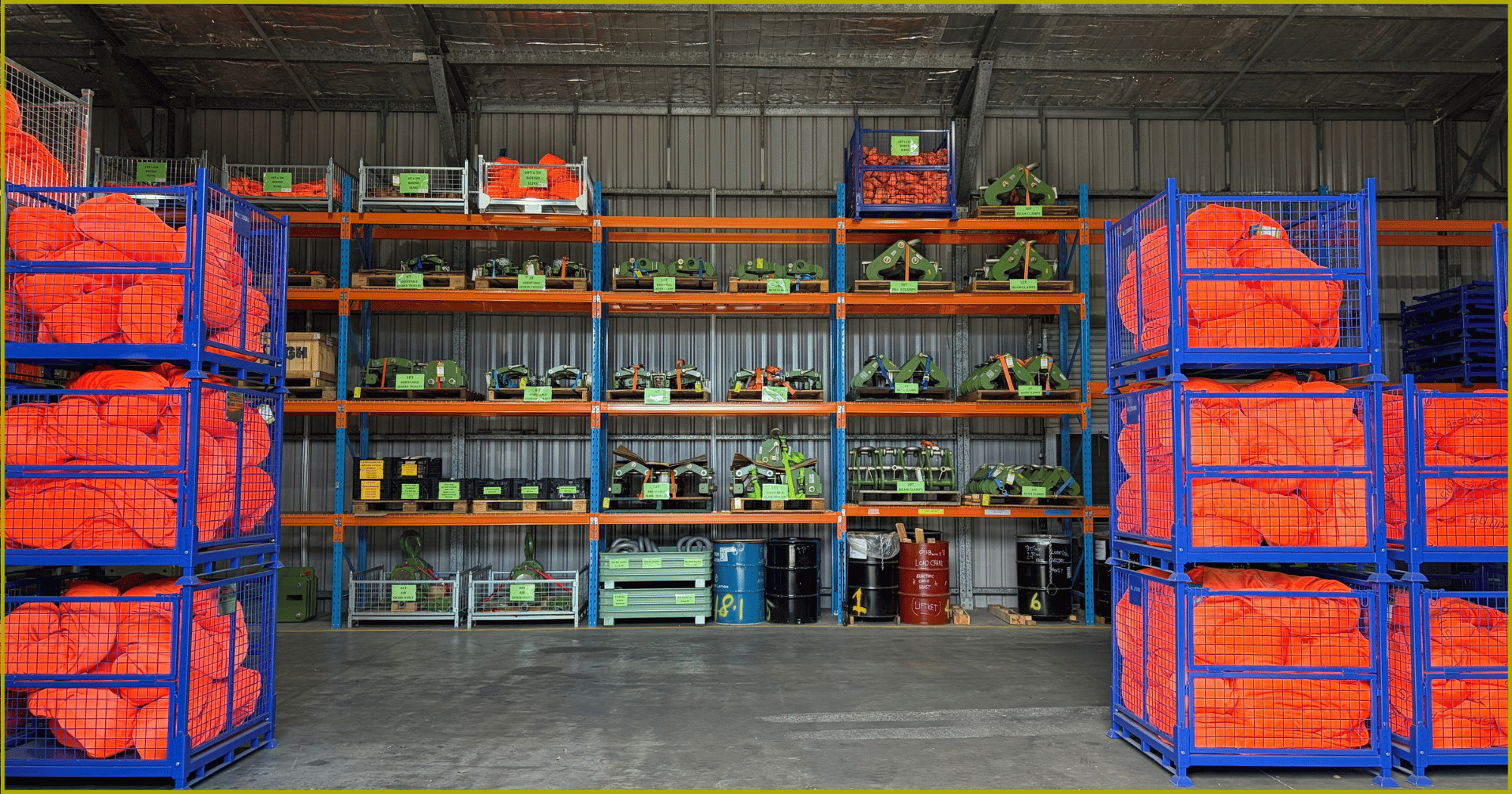
Once the equipment requirements are confirmed, our team works behind the scenes to make sure the right gear is available when it’s needed.
For equipment within our Australian fleet, this means coordinating availability across current and upcoming hires and ensuring sufficient time for equipment to be returned, inspected, tested and prepared before its next job.
When a project calls for something outside our current fleet, we have additional options. We work closely with our premium lifting and rigging suppliers to source equipment for specific project requirements and continue expanding our fleet in response to customer and industry needs.
For specialist and high-capacity requirements, we can also draw on the strength of LGH’s global inventory, working with our international teams to identify and coordinate equipment for projects in Australia.
This combination of a growing Australian fleet, strong supplier relationships and access to LGH’s global network gives our team greater flexibility when finding the right equipment for a project.
For Complex Requirements
In these situations, our team works closely with the customer to understand the application and identify equipment options suited to the project, drawing on specialist product knowledge from across LGH and our supplier network where required.
Stage 4: Converting a Quote into a Hire Order
What Customers See
The hire is confirmed, and arrangements are made to get the equipment to site.
Behind the Scenes
Once the customer approves the quote and provides the required order information, the quote is converted into a hire order. Equipment availability is confirmed once again and the details are passed through to our Somersby Hire Centre, where the team begins preparing the equipment for the job.
This is where an important part of the LGH hire process takes place.
Before equipment leaves our facility, it goes through a rigorous inspection and preparation process to ensure it is safe, compliant and ready for use. Our team checks the equipment, its identification and tagging, and the relevant inspection and certification records before it is cleared for dispatch.
In-House Testing & Inspection
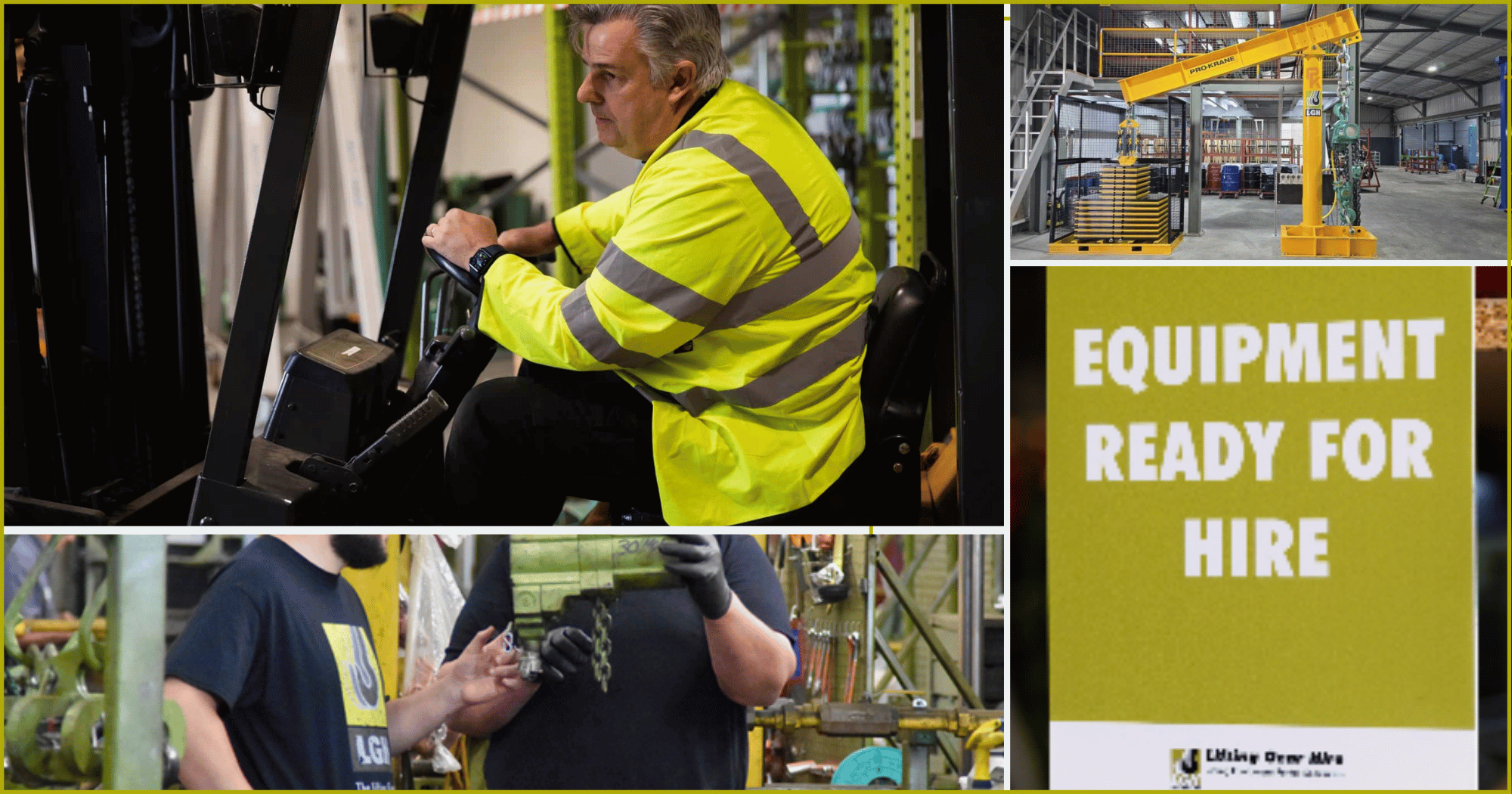
LGH Australia has dedicated in-house testing capabilities at our Somersby facility, allowing our team to inspect, test and certify equipment without having to rely solely on external testing providers.
Depending on the equipment and its requirements, this process can include:
- Detailed visual and functional inspections
- In-house load testing
- Inspection of individual components and accessories
- Verification of identification and tagging
- Review of testing and certification records
- Preparation of the complete equipment package for the customer
- Final checks before the equipment is cleared for dispatch
Our facility includes a 32-tonne dynamic test stand, supporting the testing of a wide range of lifting and rigging equipment within our Australian fleet.
It’s a rigorous process behind the scenes, but an important one. When LGH equipment arrives on site, our customers can have confidence that it has been properly inspected, prepared and supported by the appropriate certification.
Getting the Equipment to Site
Once the equipment is cleared for hire, the final logistics are coordinated. Depending on the project, equipment may be:
- Collected from our Somersby Hire Centre
- Delivered directly to site
- Transported through one of our freight partners
For projects across Australia, our team coordinates freight and delivery requirements to get the equipment where it needs to be, ready for the project.
Stage 5: Supporting the Hire
What Customers See
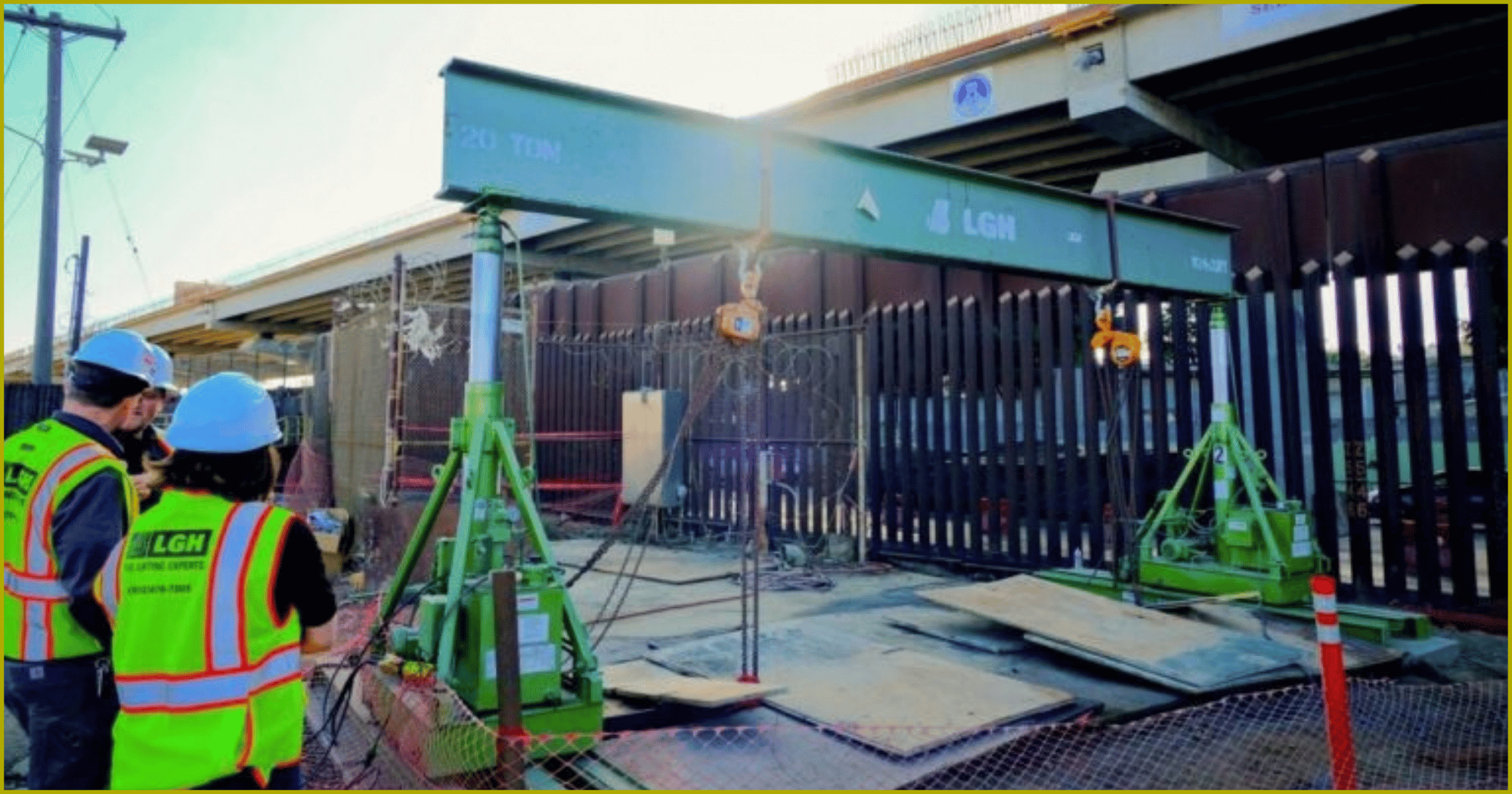
The equipment arrives, the project moves forward, and the LGH team is there when needed.
Behind the Scenes
Our support doesn’t end when the equipment reaches site. Throughout the hire, our team remains available to respond to changing project requirements and help keep things moving.
This might mean extending a hire period, arranging additional equipment, providing documentation, coordinating freight or responding to questions that arise on site.
For longer or more complex projects, we stay in communication with our customers to understand what’s coming next and help plan for changing requirements.
It’s all part of being more than an equipment supplier – we aim to be a lifting and rigging partner our customers can rely on throughout the job.
Stage 6: Returning Equipment and Preparing for the Next Hire
What Customers See
The project is complete, the customer returns the equipment and the hire comes to an end.
Behind the Scenes
When customers no longer require the equipment, they let our team know it is ready for return or collection. Once our team receives the equipment and takes it off hire, we generate the final invoice based on the completed hire period.
What Happens Next
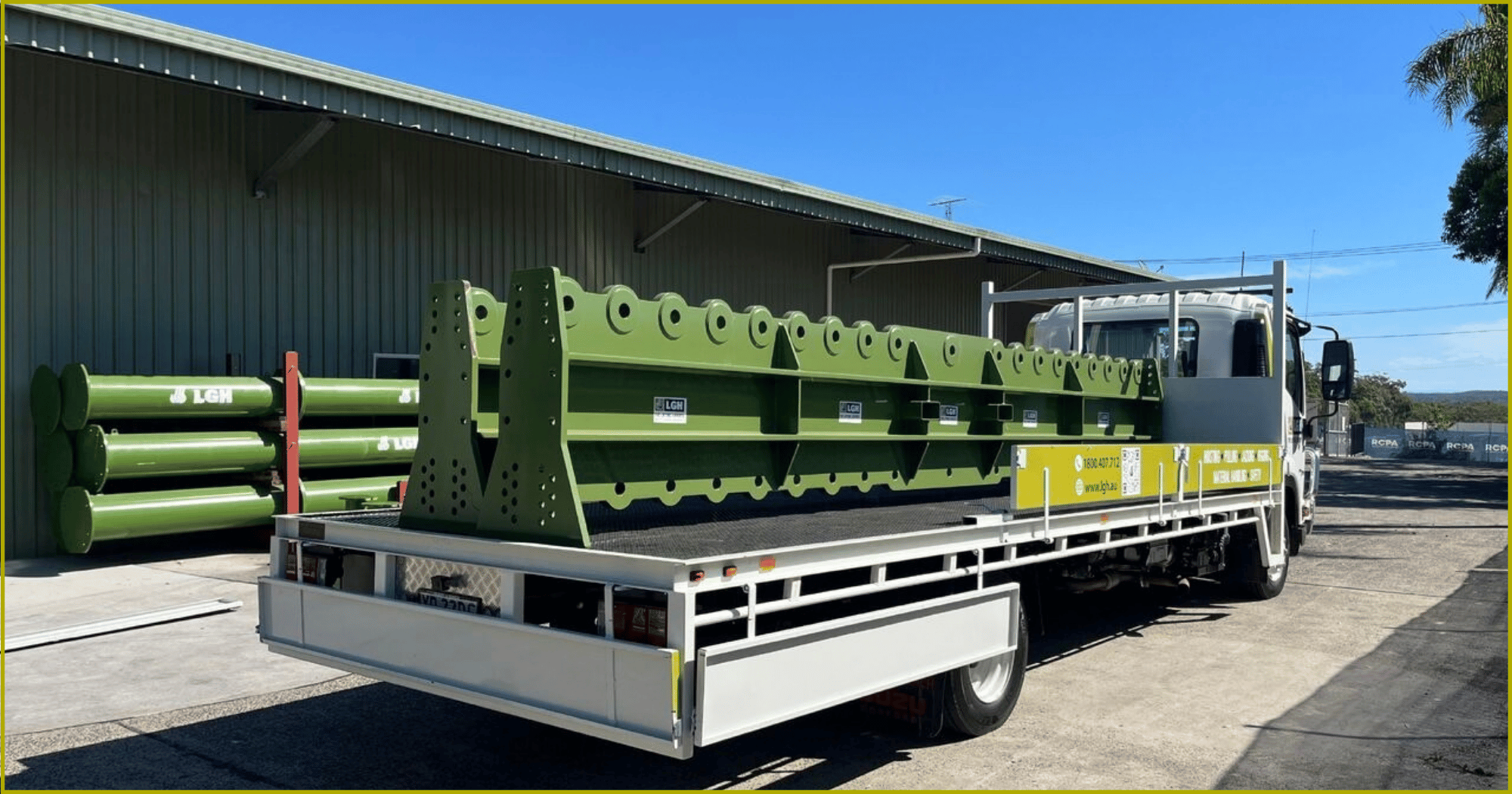
Back at our Somersby Hire Centre, the equipment begins its preparation for the next job. It is:
- Inspected on return
- Cleaned and checked
- Assessed for any maintenance requirements
- Given a fresh coat of our signature LGH green paint where needed
- Recorded back into inventory
- Prepared for testing and certification as required before its next hire
From there, the cycle begins again – ensuring the next customer receives equipment that is properly inspected, prepared and ready for the job.
From Request to Return
From the first enquiry to the final return, there’s a lot happening behind the scenes of every LGH hire.
Understanding the project, sourcing the right equipment, rigorous in-house inspection and testing, coordinating logistics and providing support throughout the hire all play a part in getting equipment to site safely and reliably.
Whether you’re planning well ahead or have an upcoming requirement, involving LGH early gives our team more opportunity to understand the job and find the right lifting and rigging solution.
Planning an upcoming lift? Talk to the LGH Australia team about your equipment requirements.


